
Yesterday, the Committee on Transportation and the Environment voted unanimously to approve the budget recommendations that my team and I developed over the past month. This is the most recent step in the Council's process for passing a city budget funded by your tax dollars, so I'd like to run through the changes with you now and let you know where things stand.
|
I'll note that every Council committee has finished making its recommendations, and now the full Council will come together to consolidate each committee’s recommendations into a single package and address major outstanding issues that could not be funded at the committee level. I'll dive into some of those changes as we get closer to the full budget votes in a couple of weeks, so you’ll have a complete picture of the Council's work. For this update, I'll focus on the recommendations adopted by the Committee on Transportation and the Environment, which I chair. Given the scale of the proposed cuts to environmental programs this year, there was a lot of work to do. While not every detail of the proposed budget items is below, you’re able to really dig in by reading the Committee Report. Otherwise, I hope this summary gives you a sense of the Council's priorities regarding transportation and the environment, and how we're working to make DC a healthier, safer, and more affordable place to live. |
|
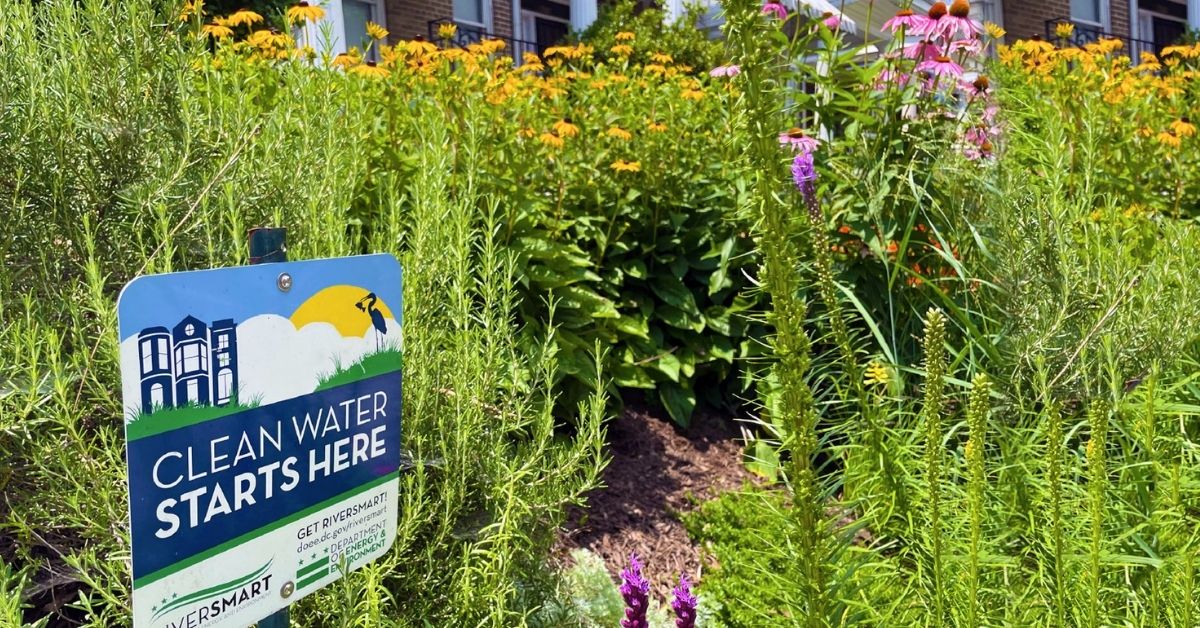
Pushing Back Against Deep Environmental CutsThis year's budget was built during one of the most difficult financial periods the District has faced in years. Slowing revenue growth and rising costs forced difficult choices throughout the budget. But one thing became clear during our review: the Department of Energy and the Environment was being asked to shoulder a disproportionate share of those cuts. For the second year in a row, the Mayor proposed significant reductions to the District's environmental programs. If enacted as proposed, DOEE would lose roughly $137 million over the last two budget cycles — a staggering 43% reduction in funding. Central to this cut was an $80 million transfer out of the Sustainable Energy Trust Fund. Believe it or not, these funds are intended to help residents lower their utility bills. These programs are funded each year by a small fee on your utility bills (the money is gone, but alas, the fee remains). Over the past two years, the Mayor has cut it by $150 million to pay the energy costs for DC government buildings, rather than utility affordability programs that return $6 for every dollar spent in lifetime cost savings for District residents. There are not many levers we can pull at the local level to head off these big increases in electricity and gas, but I will say this: residents who have been able to tap into solar on their roof or through a community project or who have been able to upgrade their home to be far more energy efficient are feeling these cost increases much less than other residents. But that fund has been significantly gutted at a time when our regional grid has been so badly managed that electricity prices have skyrocketed, and Virginia and Maryland are adding what feels like an unending supply of data centers. My committee wasn't able to reverse every cut the Mayor made. But we did make meaningful progress. We restored $2.2 million for FY27 and more than $11 million across the four-year financial plan to the Sustainable Energy Trust Fund to support the DC Sustainable Energy Utility. That's the program that helps residents weatherize homes, lower utility bills, install clean energy technologies, and participate in programs like Solar for All. Their work benefits all residents, but it ensures that these improvements aren’t limited only to those who are wealthy enough to afford them. We also rejected proposed delays to the District's Net-Zero building requirements, protecting one of the most important climate policies we have for reducing emissions and improving air quality. And we funded a new position dedicated to helping condominium and co-op buildings navigate solar installations and compliance with Building Energy Performance Standards. |
|
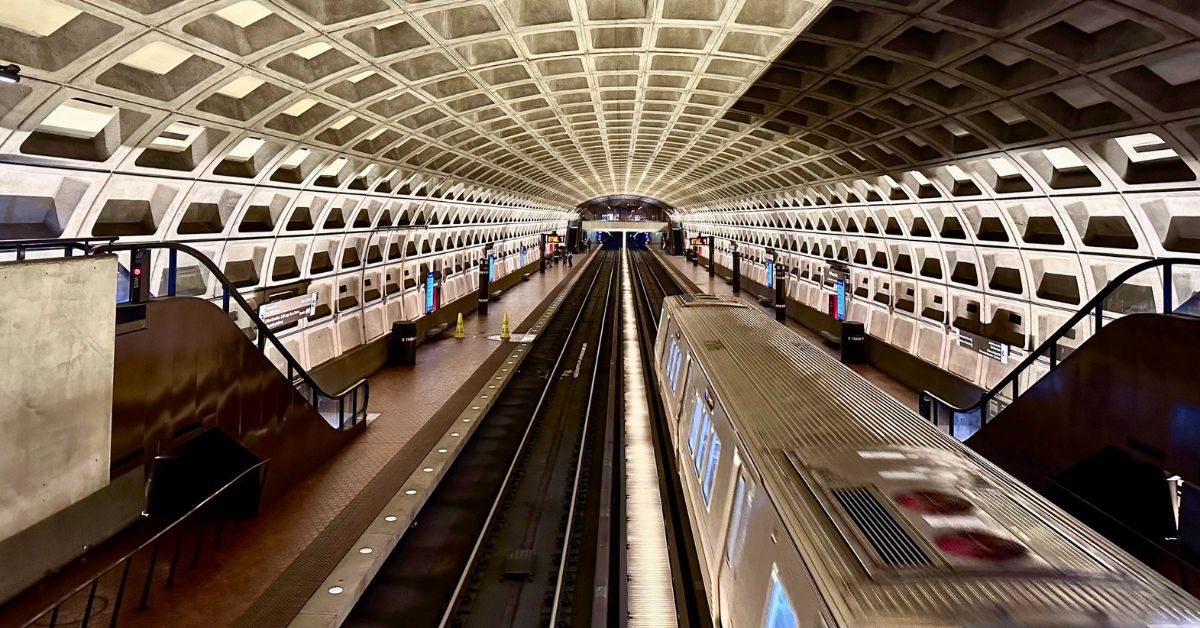
Supporting Safe, Reliable, and Affordable TransitAs Chair of this Committee, one of my top priorities remains making it easier and more affordable to get around DC without needing a car. This budget fully funds the District's commitment to WMATA, including support for 24/7 bus service and the Kids Ride Free program that allows students to ride transit at no cost. The Committee also increased support for adult students by raising the Adult Learner Transit Subsidy from $70 to $100 per month, helping reduce transportation costs for residents pursuing education and workforce training opportunities in adulthood. Looking ahead, we also added funding to support planning for a future east-west transit connection linking Union Station, the RFK campus, and neighborhoods across the city. If the RFK Campus is to reach its full potential, we must plan and build transit connections that not only serve the tens of thousands of people traveling to and from the stadium on event days, but must also serve the thousands of residents who will live there someday soon. |
|
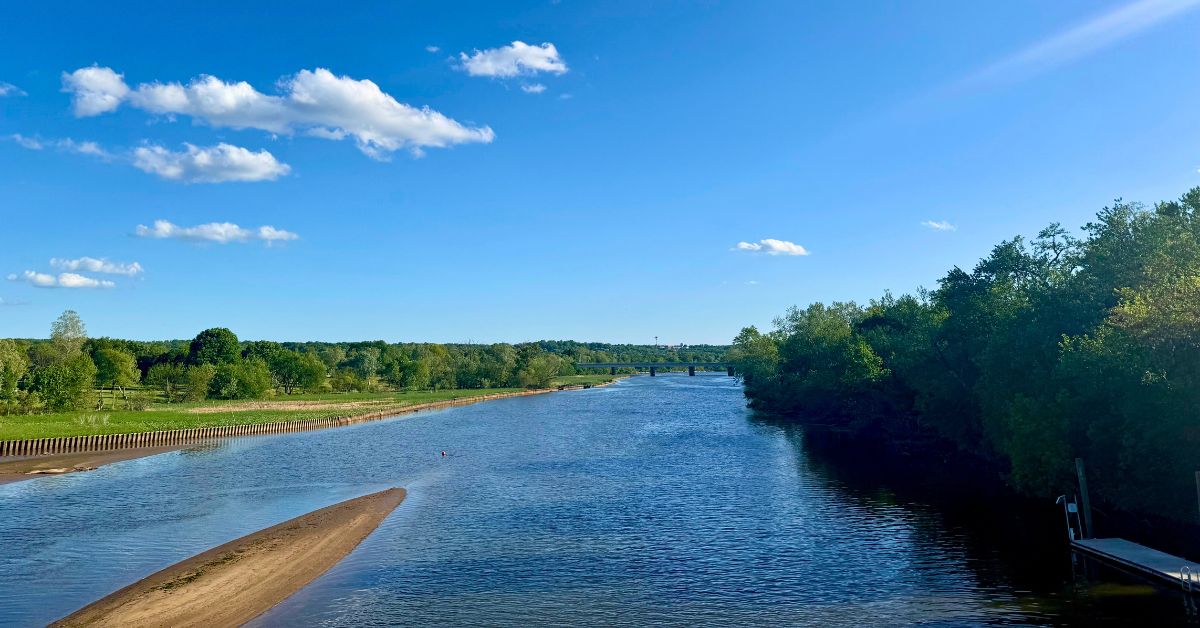
Protecting Trees, Wildlife, and the Anacostia RiverA budget decision I was pleased to reverse was the Mayor's removal of $542,582 from the Anacostia River Clean Up Fund. This money is used to clean the river, remove trash, and provide educational trips and hands-on learning on the river to DC students. The Committee fully restored that funding, including grants that support wildlife rehabilitation, environmental education, and river cleanup efforts. That includes restoring funding for organizations like City Wildlife that care for injured and orphaned wild animals while educating residents about the natural world around them. And yes, we got all of your calls and emails about this cut. Thank you for reaching out! This may seem like a small item in a multi-billion-dollar budget, but it's exactly the kind of thing that makes DC special. Residents care deeply about our parks, rivers, wildlife, and natural spaces. Budget decisions should reflect those values. We also fully funded the Tree Preservation Enhancement Act with $297,99 in FY27 and $1.2 million over the financial plan, helping protect and expand DC's tree canopy at a time when trees are doing more than ever to reduce urban heat, improve air quality, manage stormwater, and make neighborhoods healthier and more beautiful. Beyond those efforts, the Committee restored funding for the Office of District Waterways Management and the Waterways Management Commission and approved major capital investments for river restoration, wastewater treatment infrastructure, wetland improvements, and environmental projects at Kingman and Heritage Islands. In addition, the Committee recommends adjusting the stormwater fee for inflation, which will result in a small $1.36 per month increase on your water bill, on average. The Council was forced to raise this fee because the Mayor used clean water funds to pad the Department of Public Works’ budget. These funds are critical for meeting federal clean water requirements and reducing polluted runoff entering our rivers and streams. The adjustment will generate roughly $6.6 million annually for stormwater management efforts and help ensure the District meets its federal environmental obligations while protecting the Anacostia River and other local waterways. Most importantly, without this step, the District faces serious legal exposure for failing to comply with federal law, which could result in a $ 25,000-per-day penalty that will ultimately cost the District more in the long term. |
|
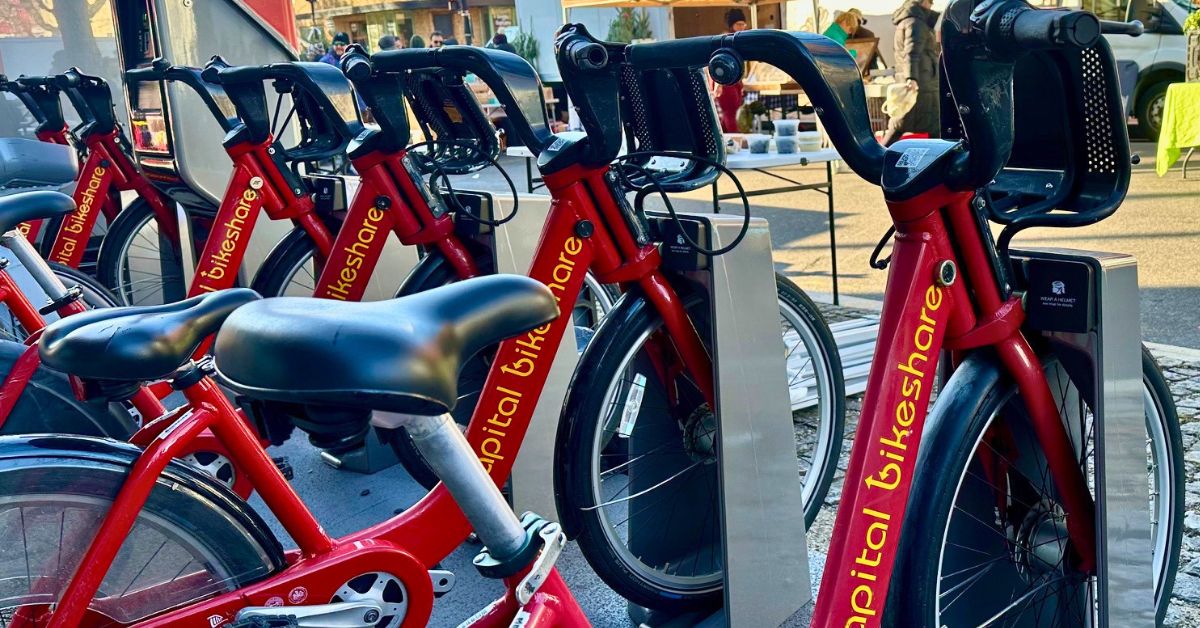
More Options for Biking, Walking, and MicromobilityThe Committee continued support for the District's E-Bike Incentive Program, which has helped hundreds of residents — more than half of whom are residents of Wards 5, 7, and 8 — choose a lower-cost transportation option while reducing traffic and emissions. Funding remains stable for Capital Bikeshare, which hit a new ridership record of nearly 6.7 million rides last year – thanks in part to its fleet of 3,200 e-bikes. These investments help make it safer and easier for more residents to choose biking, walking, or rolling as part of their daily lives. |
|
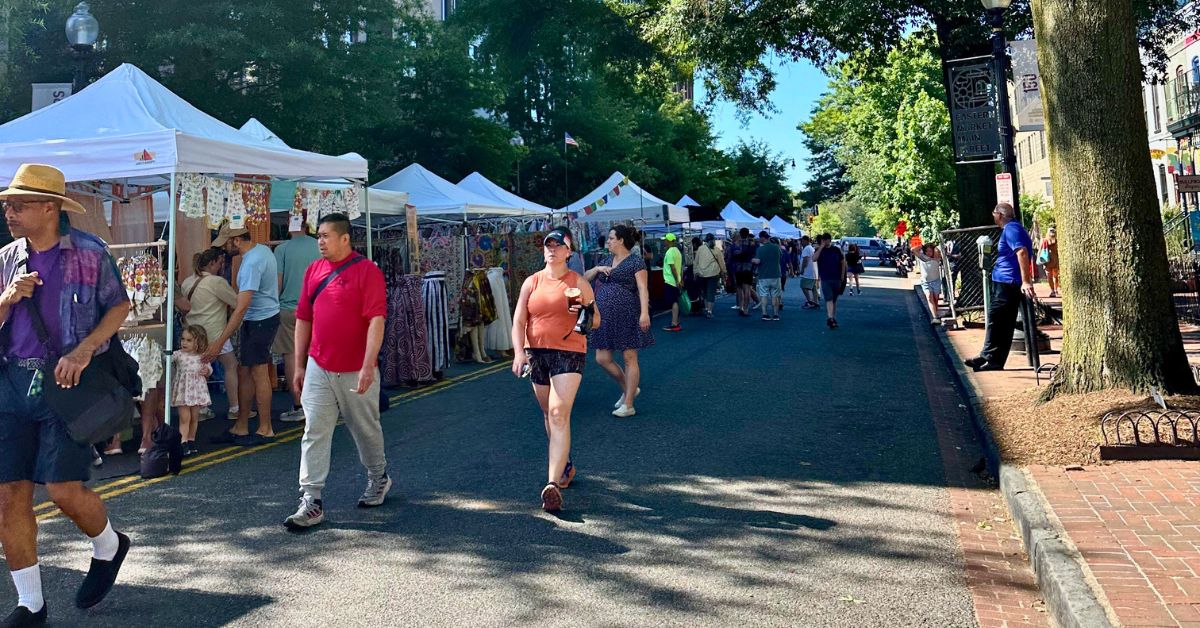
Investing in Great Public Spaces and Strong NeighborhoodsTransportation isn't just about moving people from one place to another. It's also about creating neighborhoods and cultivating public spaces where people want to spend time. That's why I'm excited we continued funding implementation of the PLAZA Act, legislation I authored to help transform select streets into vibrant public gathering spaces. We've seen the success of this approach around Eastern Market, and this budget will help bring those benefits to other neighborhoods. |
|
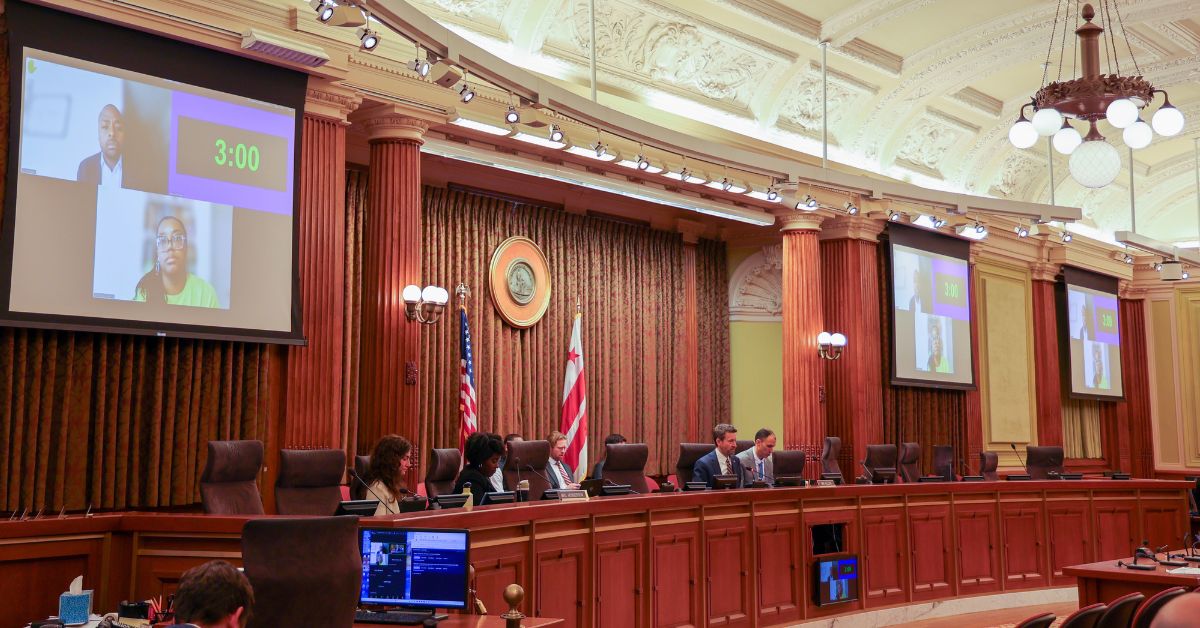
What Happens NextThe budget process isn't finished yet. Over the next few weeks, the full Council will review recommendations from all committees and consider additional changes before voting on the final budget. I'll continue working with my colleagues to protect the investments we've secured and push for additional improvements wherever possible. If you testified, submitted comments, contacted my office, or otherwise participated in this process, thank you. And thanks also to those who attended or watched the Ward 6 FY27 Budget Town Hall (if you missed it, you can find the presentation and video here). Public input played a significant role in shaping these recommendations, and many of the changes we advanced came directly from concerns residents raised during our hearings. Finally, I'd like to thank my Committee staff for their tremendous work throughout this process. Budget season is one of the most demanding times of the year, and these recommendations would not have been possible without their expertise and long hours on behalf of District residents. As always, I'll keep you updated as the budget moves toward a final vote. Charles Allen |


Showing 1 reaction
Sign in with
Facebook